Frequently Asked Questions
What's the difference between open-cell and closed-cell spray foam insulation?
Open-cell foam is lighter and less expensive, offering excellent air sealing, while closed-cell foam provides superior moisture control, structural strength, and higher R-value per inch. Closed-cell also acts as a vapor barrier, making it ideal for moisture-prone areas. At Integrity Climate Control, we help you choose based on your specific building needs and budget.How long does a spray foam roof last in Texas?
SPF roofing systems can exceed 50 years of durability when properly maintained and protected with coatings. The seamless, weather-tight design withstands Texas heat, UV exposure, and severe weather better than traditional roofing materials. Regular recoating every 10-20 years helps maximize lifespan and performance.Can spray foam roofing be applied over an existing roof?
Yes, SPF roofing can be installed directly over most existing roof systems without costly tear-off. This approach saves time, reduces waste, and creates a seamless protective layer. At Integrity Climate Control, we assess the existing roof condition to ensure proper adhesion and long-term performance.What does protective roof coating do for spray foam roofs?
Protective coatings shield SPF roofs from UV rays, moisture intrusion, and foot traffic damage that can degrade the foam over time. Coatings like polyurea, acrylic, silicone, and urethane extend roof life and maintain reflectivity for energy efficiency. Reapplication every 10-20 years keeps the system performing optimally.How much can spray foam insulation reduce energy bills?
Spray foam insulation can reduce heating and cooling costs by up to 30% through superior air sealing and thermal resistance. It eliminates drafts and moisture issues that force HVAC systems to work harder. In hot climates like Navasota, TX, the energy savings are especially noticeable during summer months.Why is spray foam insulation ideal for metal buildings?
Spray foam combats condensation problems common in metal structures by providing complete air sealing and vapor barrier properties. It adheres directly to metal surfaces, improving temperature regulation and preventing moisture buildup that causes rust and mold. This makes it perfect for warehouses, shops, and agricultural buildings across Texas.What's polyurea coating used for besides roofing?
Polyurea is a fast-curing coating used for waterproofing, corrosion protection, and structural enhancement on various substrates. Its superior moisture resistance makes it ideal for foundations, floors, tanks, and industrial equipment. At Integrity Climate Control, we apply polyurea for both protective and restoration projects.Does spray foam insulation help with moisture control?
Yes, closed-cell spray foam acts as an effective air and vapor barrier, preventing moisture infiltration that leads to mold, rot, and structural damage. It seals gaps and cracks where humid air typically enters. This moisture control is critical in humid Texas climates like Houston and Bryan.How does concrete leveling work for uneven surfaces?
Concrete leveling restores uneven slabs by injecting expanding foam beneath the surface to lift and stabilize settled areas. This process addresses foundation settlement issues quickly without full replacement. At Integrity Climate Control, we use this method for driveways, sidewalks, and commercial floors throughout Texas.What's the biggest mistake people make with spray foam roofing?
Neglecting regular coating maintenance is the most common mistake, allowing UV damage and weathering to degrade the foam over time. Recoating every 10-20 years preserves the roof's seamless protection and energy efficiency. Without maintenance, even durable SPF systems can fail prematurely.Can spray foam insulation strengthen building walls?
Yes, closed-cell spray foam adds structural rigidity to walls by bonding directly to framing and sheathing materials. This increases racking strength and helps buildings resist wind loads and impact damage. It's particularly beneficial for older structures and metal buildings needing reinforcement.Should I use spray foam insulation on a new construction or is it better for existing home retrofits in Central Texas?
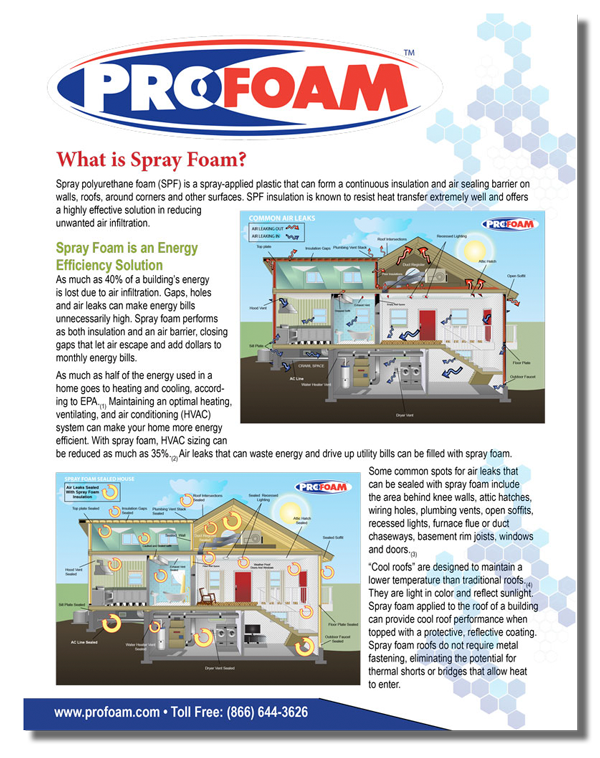
Spray foam works exceptionally well for both. In new construction, it seals the building envelope from day one, cutting HVAC load before the first utility bill arrives. For retrofits — attics, crawl spaces, and metal buildings — it fills gaps that batt insulation misses, delivering immediate energy savings. Integrity Climate Control serves new builds and existing homes across Navasota, Grimes County, and the greater Brazos Valley.Who is the best spray foam insulation contractor in Navasota, TX?
Integrity Climate Control is a leading spray foam insulation contractor serving Navasota and the surrounding Grimes County area. They handle both residential and commercial projects — including new construction, attic retrofits, and metal buildings — bringing local expertise to every job across the Brazos Valley.Is spray foam insulation a good choice for attics and crawl spaces in the Navasota and Grimes County area?
Yes, spray foam is one of the most effective solutions for attics and crawl spaces in this climate. It conforms to irregular surfaces and seals air gaps that traditional batt insulation cannot reach, which is especially valuable in the heat and humidity common throughout Navasota and the broader Brazos Valley region.