Is Your Navasota Crawl Space Making Your Home Less Comfortable?
In Navasota, ground moisture does not stay in the ground. Grimes County soil stays saturated for much of the year, and when summer dew points climb past 70°F, water vapor pushes upward through the soil and straight into any open or vented crawl space beneath your home. If your floors feel warm in July or you notice a musty smell near the baseboards, the crawl space is likely the source — not your AC, not your roof.
Why Navasota Homes Are Especially Vulnerable to Crawl Space Moisture
Pier-and-beam construction dominates Navasota's older housing stock, and these homes sit above open or vented crawl spaces by design. Venting made sense in drier climates because outside air helped carry moisture away. In Grimes County's humid subtropical climate, that same outside air carries moisture in , not out.
When warm, humid air enters through crawl space vents and meets the cooler surfaces of your wood floor joists and subfloor, moisture condenses directly on the wood. Over time, wet joists lose structural integrity, and any insulation that gets damp loses its ability to resist heat transfer — meaning your floor becomes a direct thermal bridge between the outdoor temperature and your living space.
The result is a cycle: humid air migrates upward through gaps around plumbing, wiring, and HVAC ducts, raising indoor humidity even when your AC is running hard.
How Do You Know If Your Crawl Space Is the Problem?
Several observable symptoms point directly to a crawl space moisture and insulation issue, not a general HVAC problem.
- Floors that feel noticeably warmer than your thermostat setting in summer, or cold in winter
- A musty, earthy smell near floor vents, baseboards, or low on the walls
- Your AC running longer than expected without fully cooling the space
- Higher-than-normal indoor humidity readings even with the AC on
- Allergy or respiratory symptoms that worsen at floor level
- Visible mold, dark staining, or soft spots on joists if you have peeked inside
Each of these is a cause-and-effect signal. Warm floors mean the subfloor has little or no insulating barrier. A musty smell means biological growth is feeding on moisture-soaked wood. High AC runtime means your system is fighting humidity entering from below, not just cooling the air it already has.
Solving the Problem: Insulation, Air Sealing, and Spray Foam
Crawl space insulation installed between the floor joists — or applied as encapsulation along the crawl space walls — raises the thermal barrier between the ground and your living space. For Navasota homes in Climate Zone 2, a minimum of R-19 to R-25 is the standard target for floor assemblies. Encapsulation converts the crawl space into a semi-conditioned area, which is increasingly the code-preferred approach in high-humidity climates because it eliminates the vented air exchange that imports moisture.
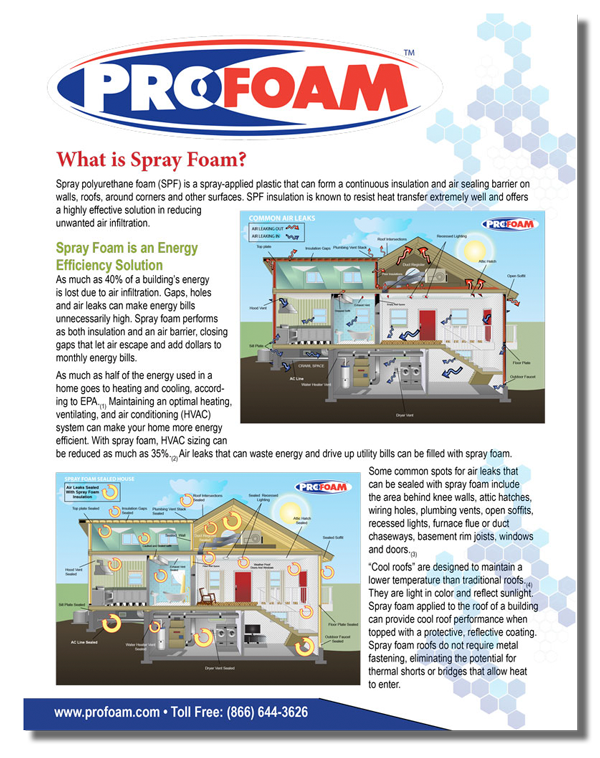
Insulation alone, however, leaves vapor and air pathways open. Building envelope air sealing closes the gaps around plumbing penetrations, wiring chases, rim joists, and HVAC ducts — the specific spots where humid crawl space air migrates upward. Rim joist sealing is one of the highest-return air sealing investments in a pier-and-beam home because the rim joist sits at the exact junction between the crawl space and the conditioned floor above.
For older Navasota homes with non-standard joist spacing or irregular subfloor geometry, spray foam insulation is often the most practical solution. Closed-cell spray foam conforms to irregular framing, insulates and air-seals in a single application, and acts as a vapor retarder — directly blocking the upward moisture pressure from saturated Grimes County soil.
Grimes County's Climate Makes Timing Matter
Navasota's hottest and most humid months — typically June through September — are when ground vapor pressure peaks and crawl space conditions are worst. Addressing insulation and air sealing before summer arrives means your AC does not spend the entire season fighting moisture from below. Winter also matters: mild but damp Grimes County winters still allow condensation on uninsulated subfloors, and floor cold spots are most noticeable when outdoor temperatures drop into the 30s. Acting in late winter or early spring puts the work in place before both seasonal extremes hit.
Sealing and insulating the crawl space breaks the direct connection between saturated soil and your living space, so your AC runs shorter cycles, floors hold a steadier temperature, and indoor air quality improves because the moisture pathway is closed rather than just managed.
Schedule a crawl space assessment with Integrity Climate Control to find out exactly what is happening beneath your floors and what it will take to fix it.