Attic Insulation Upgrades That Cut Cooling Costs in Houston, TX
Attic insulation in Houston, TX directly limits how much heat transfers from a sun-baked roof into your living space, reducing the load on your air conditioning system during long summer months.
When Does Attic Insulation Need to Be Replaced or Added?
Attic insulation loses effectiveness over time due to settling, moisture exposure, and pest activity, and many older Houston homes were built with less insulation than current standards recommend.
If your upper floors feel noticeably warmer than the rest of the house, or if your energy bills have climbed without a clear explanation, the attic is one of the first places worth examining. Heat radiates downward from an under-insulated attic ceiling, forcing your HVAC system to run longer to compensate.
Homeowners searching for attic insulation help near me in Houston often discover that their existing insulation has compressed or shifted, leaving thin spots that allow heat to pass through more easily. Adding insulation to those areas can restore the thermal barrier without requiring a full removal of existing material.
How Does Attic Insulation Improve Climate Control?
Proper attic insulation slows heat gain in summer and heat loss in winter, keeping indoor temperatures more stable and reducing how often your HVAC system cycles on.
In Houston, TX, the summer cooling season is long and intense. An attic that absorbs radiant heat from the roof can reach temperatures well above outdoor air temperature, and without adequate insulation, that heat moves steadily into conditioned space below. Addressing the attic first often produces the most noticeable comfort improvement of any insulation upgrade in a Houston home.
You can learn more about attic insulation options in Houston to compare approaches before deciding on a scope of work.
Which Attic Insulation Materials Work Best in Houston, TX?
Spray foam and blown-in insulation are both used in Houston attics, with the right choice depending on the attic's structure, existing insulation, and whether air sealing is also needed.
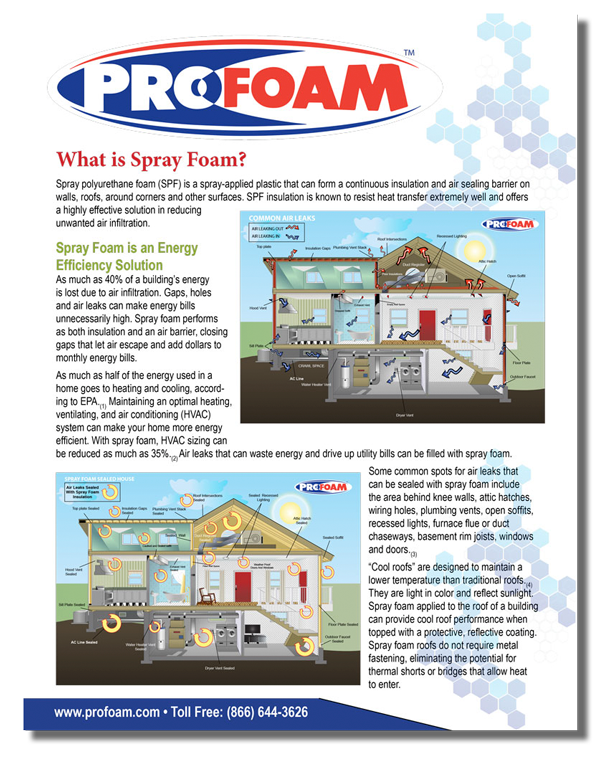
Spray foam applied to the underside of the roof deck creates an unvented attic assembly, which keeps the attic itself within the conditioned envelope of the home. This approach works well when HVAC equipment or ductwork is located in the attic, since conditioned air losses from ducts are reduced significantly.
Blown-in insulation added on top of the attic floor is a common and cost-effective way to increase thermal resistance in a vented attic. Both methods address heat transfer, but they work through different mechanisms and suit different attic configurations.
Houston's Climate and What It Means for Your Attic
Houston's combination of high summer temperatures, humidity, and a relatively mild winter means attic insulation decisions here are driven primarily by cooling performance rather than cold-weather protection.
Unlike northern climates where ice dam prevention is a concern, Houston homeowners focus on keeping radiant heat out during the months-long cooling season. That priority shapes which insulation type and installation method delivers the best return. Moisture management also matters in Houston attics, since humid outdoor air can condense on cooler surfaces if the attic assembly is not properly detailed.
Integrity Climate Control provides attic insulation services for residential and commercial properties in Houston, TX. Explore your options with the team at Integrity Climate Control to find the right approach for your attic configuration and energy goals.